

Afghanaid
AIR – Advancing Inclusion & Resilience
The project empowers Afghan women to lead local climate action by elevating their voices in watershed governance, training them as Climate Champions, and supporting Women’s Climate Action Circles to drive local initiatives.

Project information
 The project is funded with
 Location
 Duration of the project
 Time status
 Focus area
 Project links
 The project empowers Afghan women to lead local climate action by elevating their voices in watershed governance, training them as Climate Champions, and supporting Women’s Climate Action Circles to drive local initiatives.
Project information
The project is funded with
Location
Duration of the project
Time status
Focus area
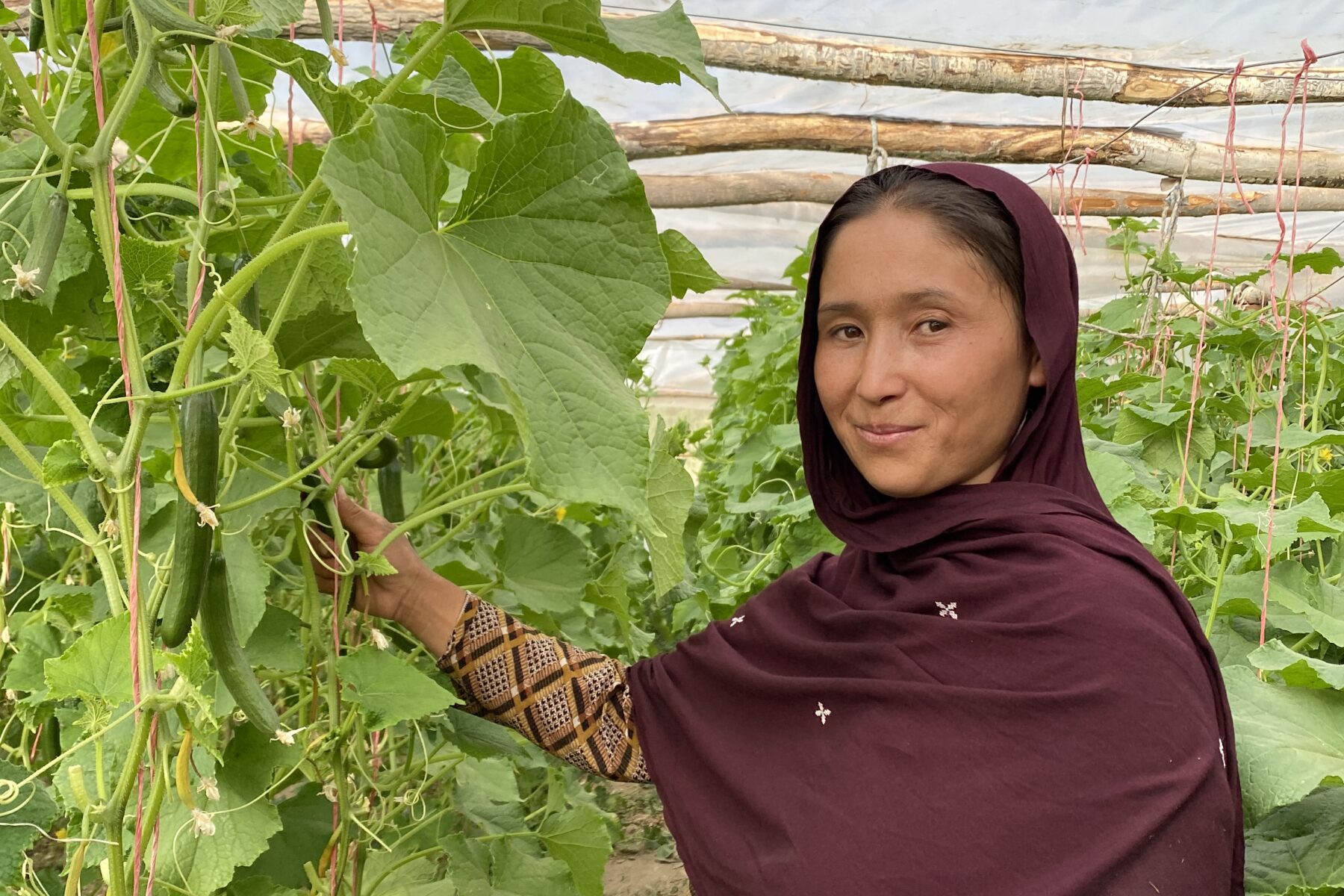
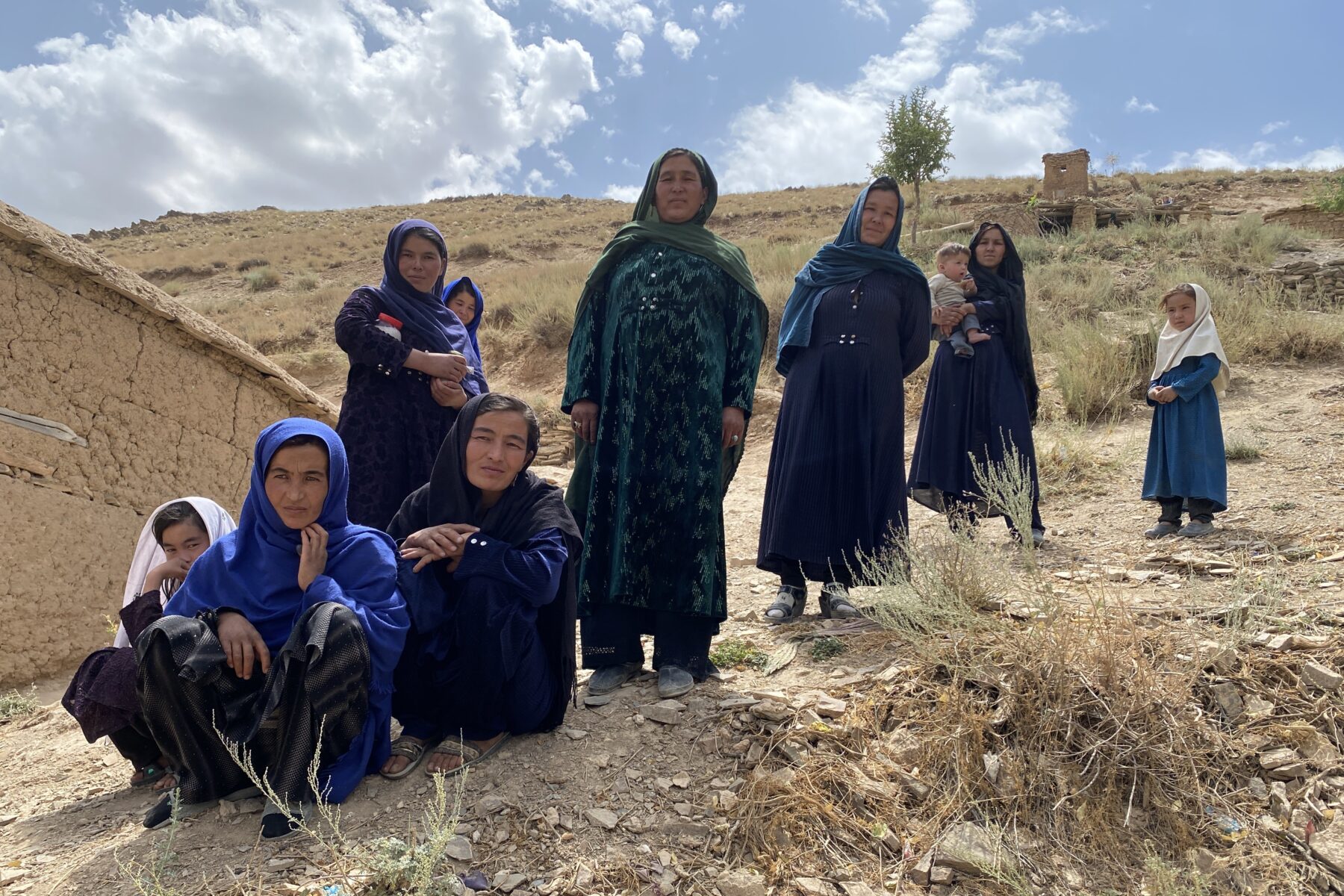
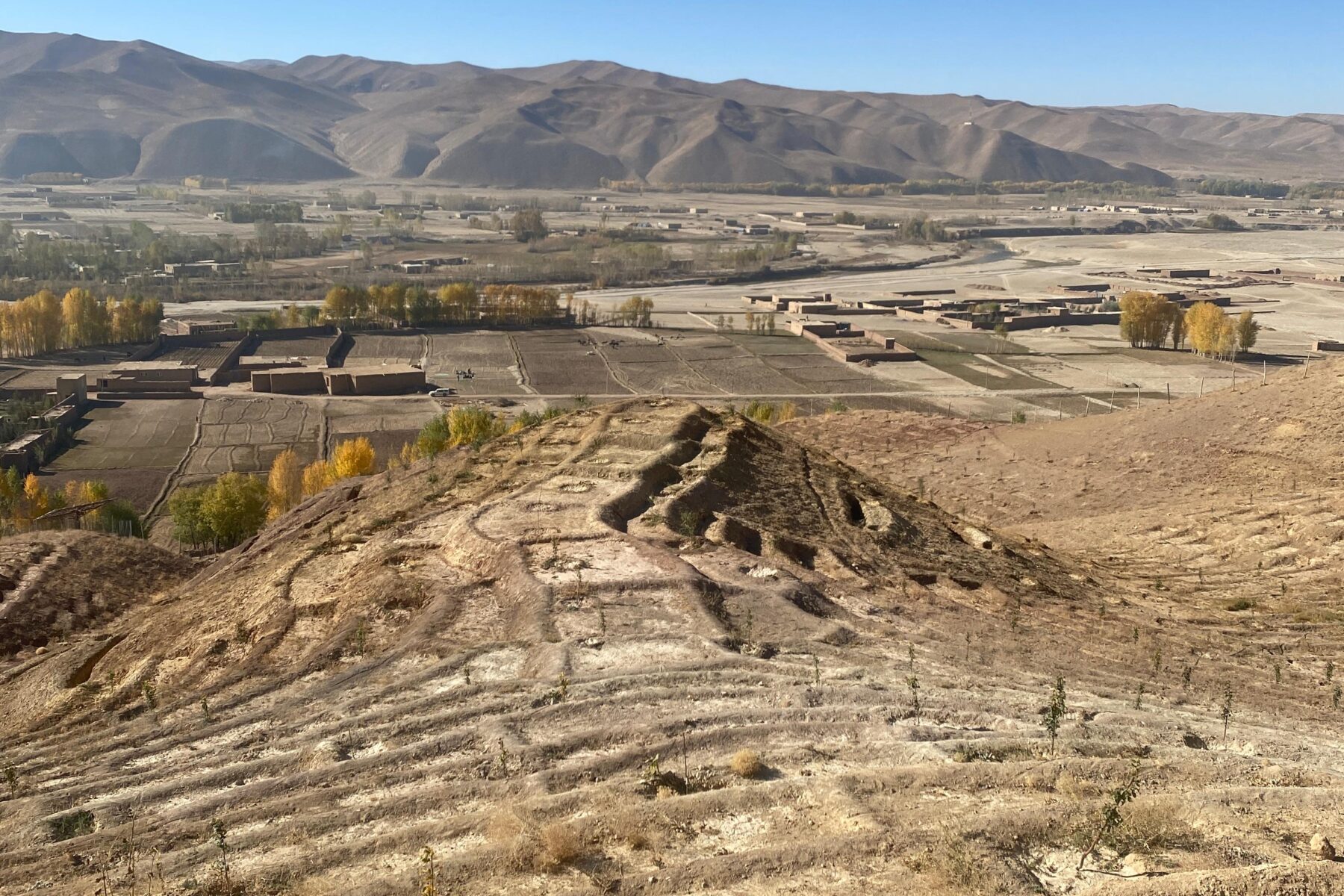
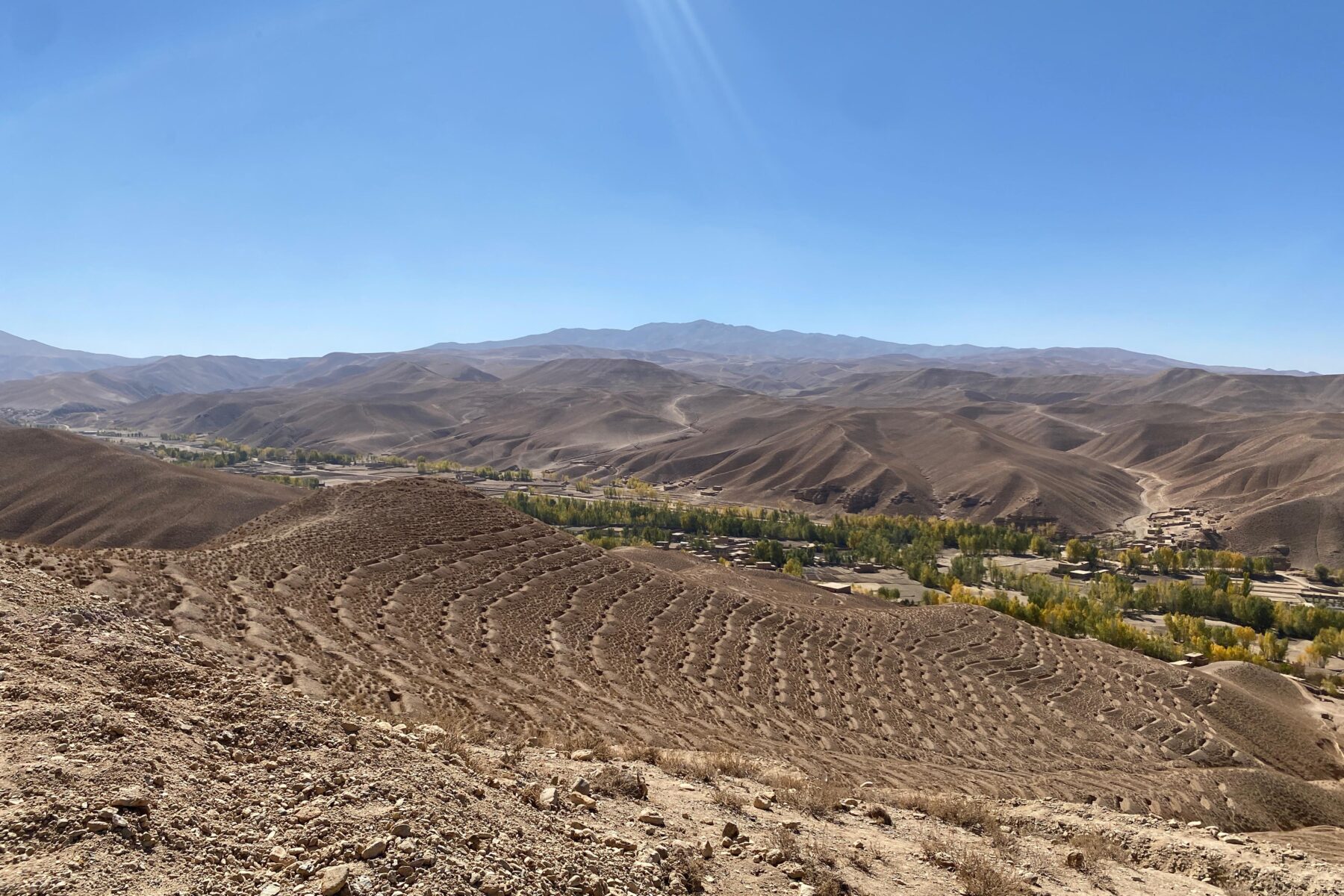
There is an increased vulnerability to climate change in Afghanistan, particularly in the Saghar district of Ghor province. Recurrent droughts and floods have exacerbated poverty and made it difficult for many to access sufficient food, while decades of conflict have undermined local resource management systems. Women and girls are disproportionately affected by the climate crisis due to limited access to education, land, livelihoods, and decision-making. Patriarchal norms and restrictions imposed by the de facto authorities have further reduced women’s visibility and influence in public life.
In this project, Afghanaid aims to strengthen women’s leadership in climate adaptation in Afghanistan by providing training, building networks, and developing locally anchored solution plans that promote gender equality and resilience.
What happens in the project?
The project focuses on strengthening women’s influence in climate governance through two main interventions:
- The first step is to train female members of Water Management Committees (WMCs) to become Climate Champions, with an emphasis on leadership, climate knowledge, and communication skills.
- The second step is the establishment of women-led Climate Action Circles, which will be facilitated by the Climate Champions. Through these groups, knowledge is shared, and local climate solution plans are developed and implemented. These plans may include tree planting, solar-powered stoves, or climate-smart livelihood initiatives. By combining technical expertise with social mobilization, the project creates structures for sustainable change, where women not only participate but actively lead climate adaptation efforts in their communities.
Why is the project supported?
By empowering women and girls in Afghanistan, we can address challenges related to both climate change and gender inequality. A combined approach provides valuable insights into the role of women in climate adaptation that can be applied in other vulnerable contexts.