

IPAS Mexico A.C
Empowering CSOs for Women’s Health & Rights in C.A
In this project, IPAS Mexico A.C is building a resilient, cross-border network of grassroots CSOs advancing SRHR, gender equality, and reproductive justice across Central America, powered by resources and collaboration that drive lasting, systemic change.
Project information
 The project is funded with
 Location
 Duration of the project
 Time status
 Focus area
 Project links
 In this project, IPAS Mexico A.C is building a resilient, cross-border network of grassroots CSOs advancing SRHR, gender equality, and reproductive justice across Central America, powered by resources and collaboration that drive lasting, systemic change.
Project information
The project is funded with
Location
Duration of the project
Time status
Focus area
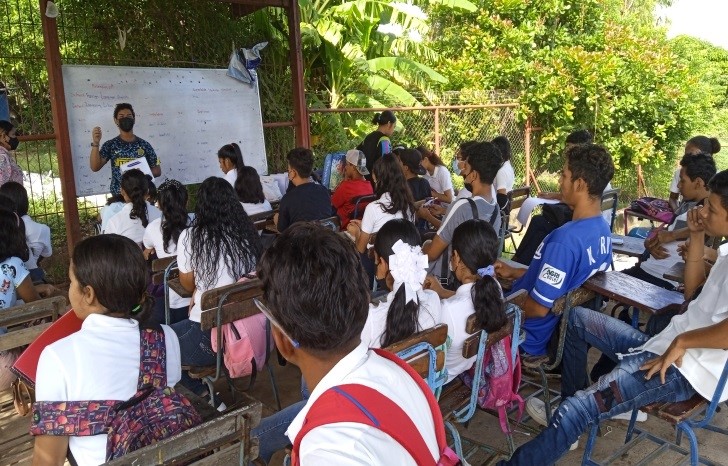

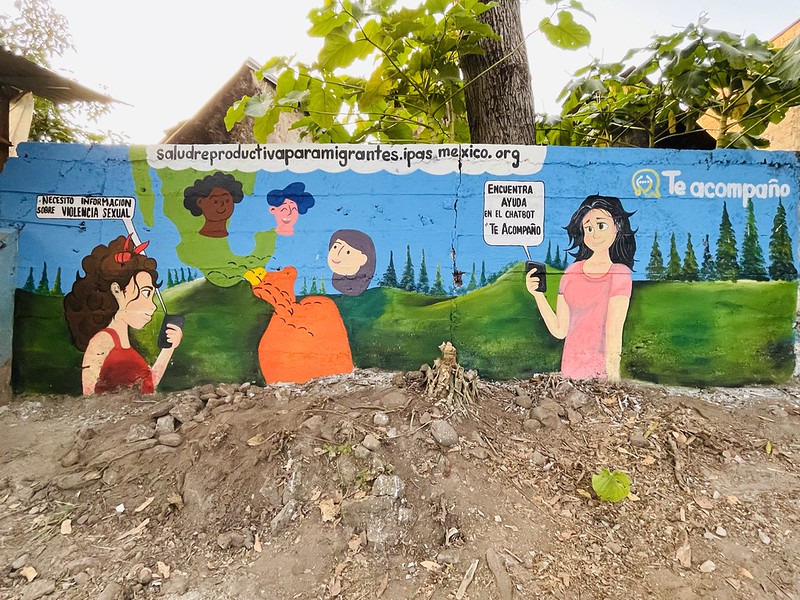
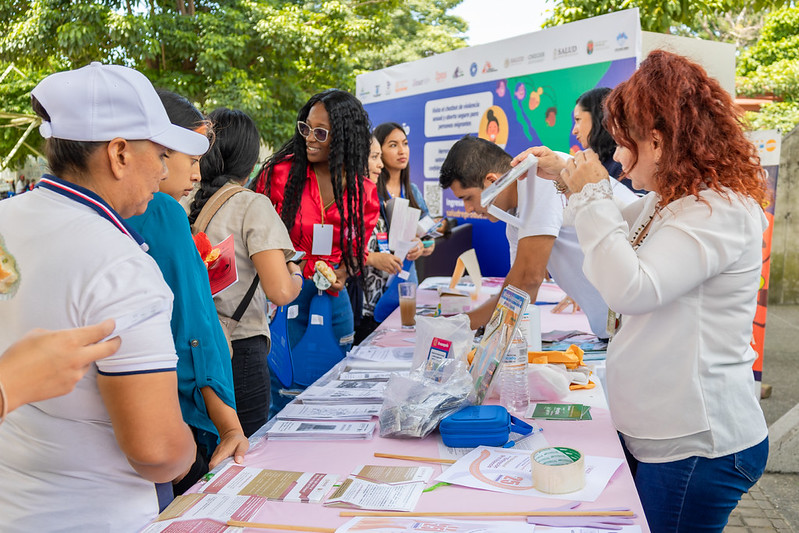
In parts of Central America, civic space is shrinking and human rights defenders risk criminalization. This trend hits women and young people hardest in a region already marked by high levels of sexual violence, human trafficking, and femicide. Access to sexuality education and contraceptives is limited, contributing to the world’s highest rate of unintended teenage pregnancies. Migrants face even greater vulnerability, while organizations working on these issues struggle with stigma and lack of resources.
Through this project, IPAS Mexico A.C is building a resilient, cross-border network of grassroots organizations that defend and advance the sexual and reproductive rights of women, girls, and marginalized groups across Central America. By providing tailored technical and financial support, the project strengthens local actors to reduce stigma and improve access to contraception, safe abortion, and comprehensive sexuality education. It also promotes regional collaboration and advocacy to drive lasting, systemic change.
What happens in the project?
The project unfolds in three phases.
- First, local women-led organizations with the potential to reach the most vulnerable are identified and mapped. These organizations receive tailored technical and financial support to design and implement initiatives that promote SRHR in their communities.
- Next, their capacity to reach more people and respond to the needs of marginalized groups is strengthened through targeted activities and outreach.
- Finally, regional networks are built, and a joint action plan is developed to combat stigma and advance reproductive and human rights. By empowering local actors and fostering cross-border collaboration, the project contributes to long-term change and sustainability in the region.
Why is the project supported?
By strengthening civil society’s capacity to defend sexual and reproductive rights, the project promotes better health, gender equality, and democratic participation for women, girls, and marginalized groups across Central America.