

Airwars
Fragmented information on war slows justice and risks lives. Airwars is building a new common language for describing war's impact, better linking local understanding to justice.
Project information
 The project is funded with
 Location
 Duration of the project
 Time status
 Focus area
 Project links
 Fragmented information on war slows justice and risks lives. Airwars is building a new common language for describing war's impact, better linking local understanding to justice.
Project information
The project is funded with
Location
Duration of the project
Time status
Focus area
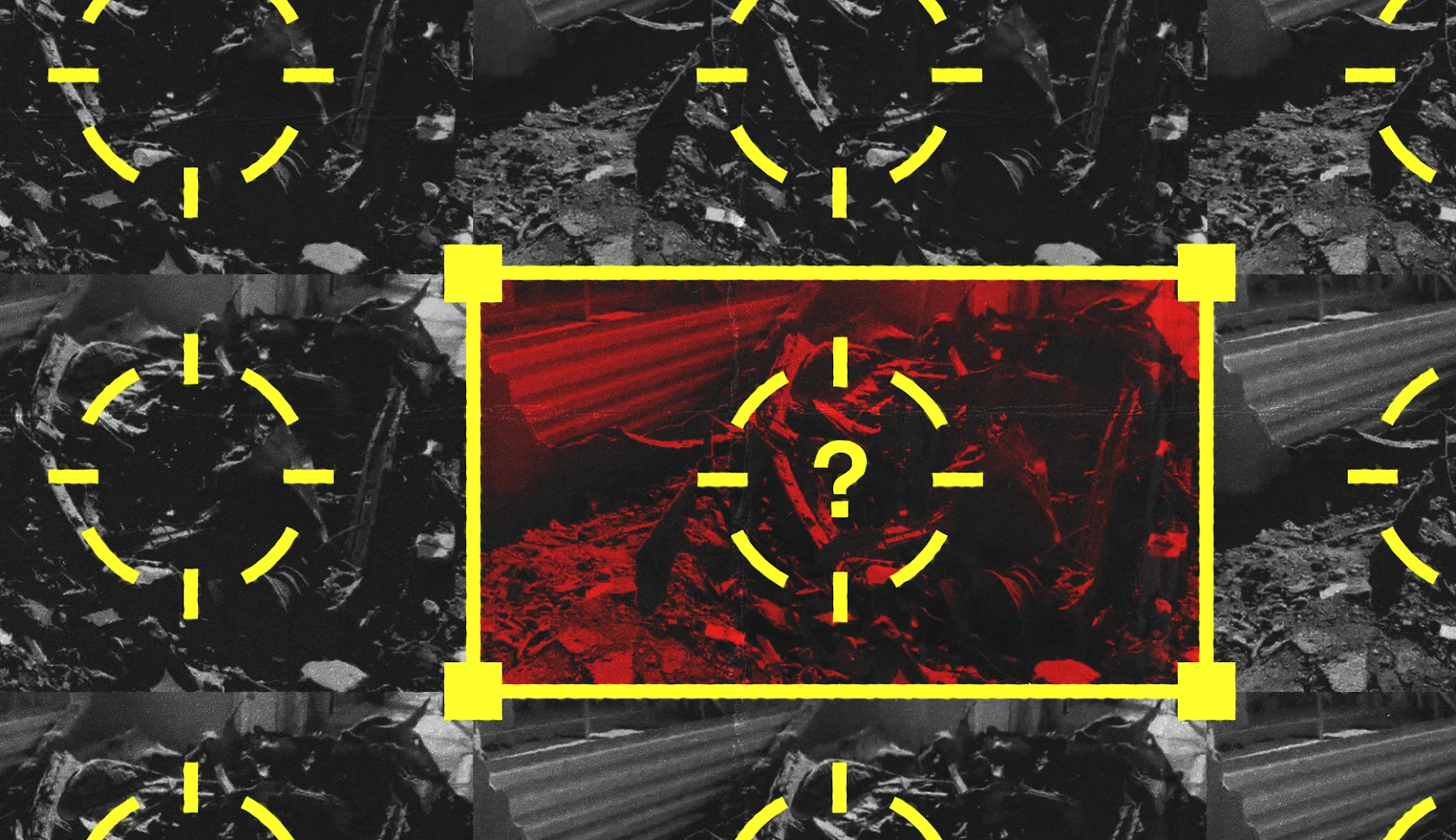
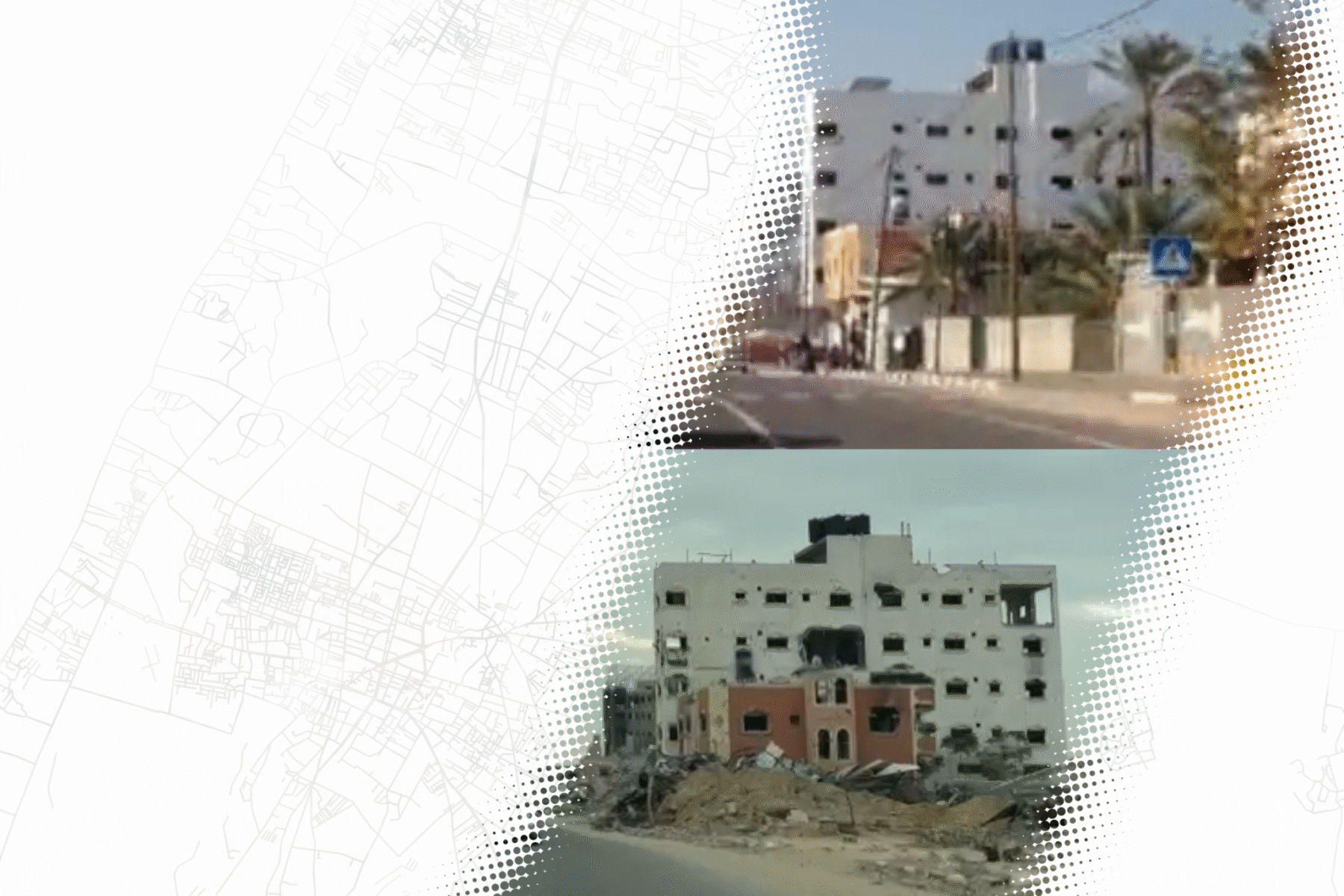
Today, violence and civilian harm in armed conflicts are documented by many different actors, including civil society organizations, journalists, UN bodies and legal institutions. However, this documentation lacks a shared language and common definitions. Key terms—such as airstrike, civilian infrastructure and civilian casualties—are defined and used differently depending on the organization, context and region.
As a result, data cannot easily be compared, combined, or used collectively. This weakens the overall evidence base, making it harder to support journalism, policy decisions and legal accountability, including investigations into alleged war crimes. Valuable information risks being lost in technical inconsistencies rather than contributing to justice, leaving many affected civilians without the possibility of legal redress.
Airwars is one of the leading watchdog organizations when it comes to documenting and publishing information on civilian casualties and injuries in conflicts. They are highly trusted by governments, journalists, and civil society worldwide.
Airwars aims through this project to develop and implement a shared international language, including common terms and definitions, to strengthen documentation, journalism, and legal accountability in armed conflicts.
What happens in the project?
- At least 50 consultations, workshops and tests conducted together with civil society organizations, journalists and institutional actors.
- At least 100 organizations participate in the development, testing and use of the shared terminology.
- A shared, practically applicable language for describing incidents of violence and civilian harm in armed conflicts has been developed and anchored.
- A multilingual, digital and offline‑adapted codebook with shared terms and definitions is available and in use.
- Documentation and analysis of civilian harm become faster, more comparable and more reliable, strengthening journalism and countering disinformation.
- A more robust and coordinated system for documentation and accountability contributes in the long term to increased justice and better protection for civilians affected by armed conflict.
Why is the project supported?
The project enhances access to reliable and comparable information on the civilian impact of war. It supports journalism, legal processes and decision-making, while contributing to increased transparency, and the protection of human rights globally.