

IUCN
Forest restoration in North Macedonia and Albania
Project information
 Location
 Duration of the project
 Time status
 Focus area
 Project links
 Project information
Location
Duration of the project
Time status
Focus area
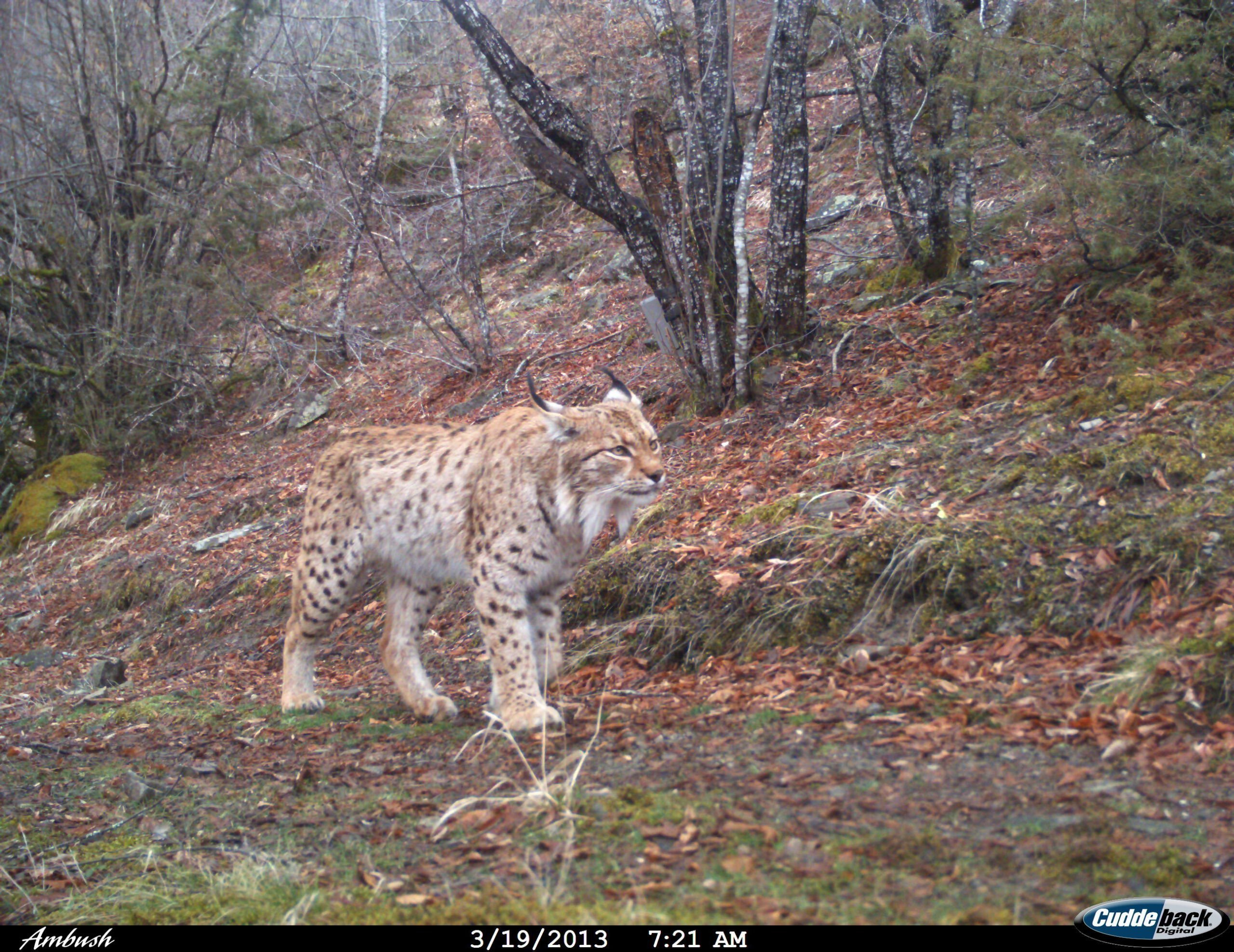
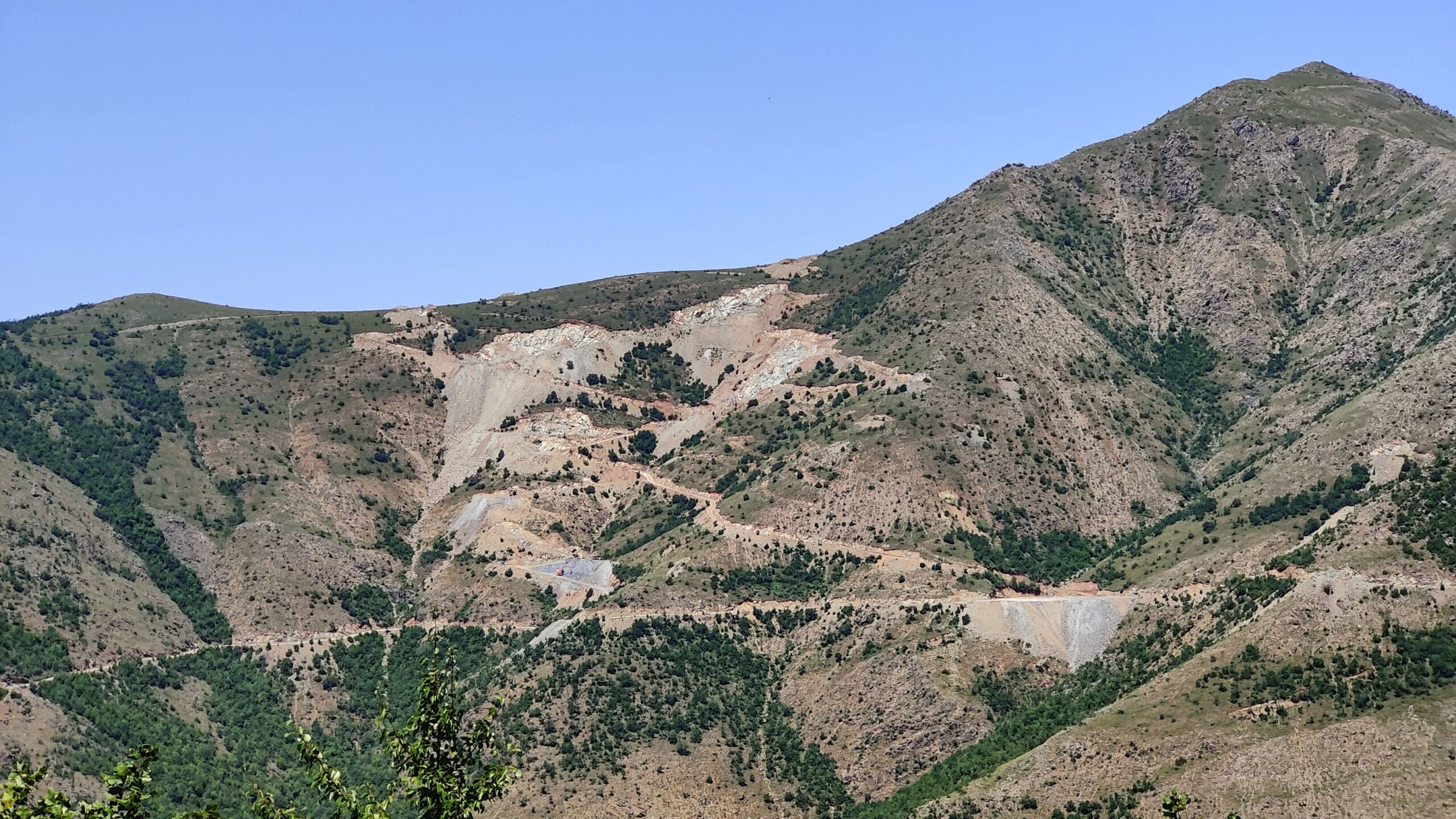
According to Global Forest Watch, North Macedonia lost 5,5% and Albania 6,5% of total tree cover in the last 20 years while recent local analysis confirmed this trend by showing concerning losses of 6.78% and 4.88% of non-degraded forests over the last 12 years. Similar negative trends are recognizable in high biodiversity value regions like core habitats of the Balkan Lynx, critically endangered according to the IUCN Red List of Threatened Species™, and other endemic species. Some of the direct and indirect degradation drivers include poor management of key biodiversity landscapes in protected areas that did not sufficiently prevent forest losses. Moreover, illegal logging has been a long-lasting problem in the Balkans, coupled with rapid urbanisation, land use changes and the climate change consequences.
The implementation of Nature-based Solutions, such as Forest Landscape Restoration (FLR) on around 40 hectares of degraded forest land in “Bukovikj” in North Macedonia and “Pashtrik-Morina” in Albania will largely contribute to biodiversity and connectivity, including in surrounding protected areas. These FLR interventions will have multiple benefits such as carbon sequestration and ecosystem resilience, while halting biodiversity loss by improving habitat conditions for the Balkan Lynx and other threatened endemic species. The project also aims to raise national capacities and commitments to future restoration efforts and sustainable management of forests by involving relevant stakeholders and decision-makers.
The project is supported with SEK 6 900 000.
What happens in the project?
The project consists of two parts: the first part concerns the restoration of particularly important forest in two priority areas in each country, where the areas are selected through the ROAM process (Restoration Opportunities Assessment Methodology). In the second part, IUCN will strengthen the capacity and engagement of local, regional and national actors regarding forest management and restoration through trainings, workshops and advocacy. Key actors from the local community, relevant ministries and authorities, as well as the general public, will receive information about the importance of conserving and restoring forest.
Why was the project granted support?
The boreal and temperate forests of Albania and North Macedonia play a crucial role as carbon sinks and in preserving biodiversity. To protect the ecosystem and increase our chances of reaching our climate targets, it is important that we protect and restore these areas. The ROAM process creates effective measures, local engagement, long-term impact, and also enables restoration efforts far into the future. The project is part of the Postcode Foundation’s initiative “Northern Forest Initiative.”