

Story
Project visits deepen our understanding of coastal ecosystems
 Share
Share Coastal ecosystems such as mangroves and coral reefs are vital to both nature and people. They are among the world’s most productive and biodiverse environments, acting as natural barriers that protect coastal communities from flooding and extreme weather. Despite their importance for biodiversity, climate adaptation and local livelihoods, they are under threat from human activities such as unsustainable coastal fishing, eutrophication, pollution and over exploitation.
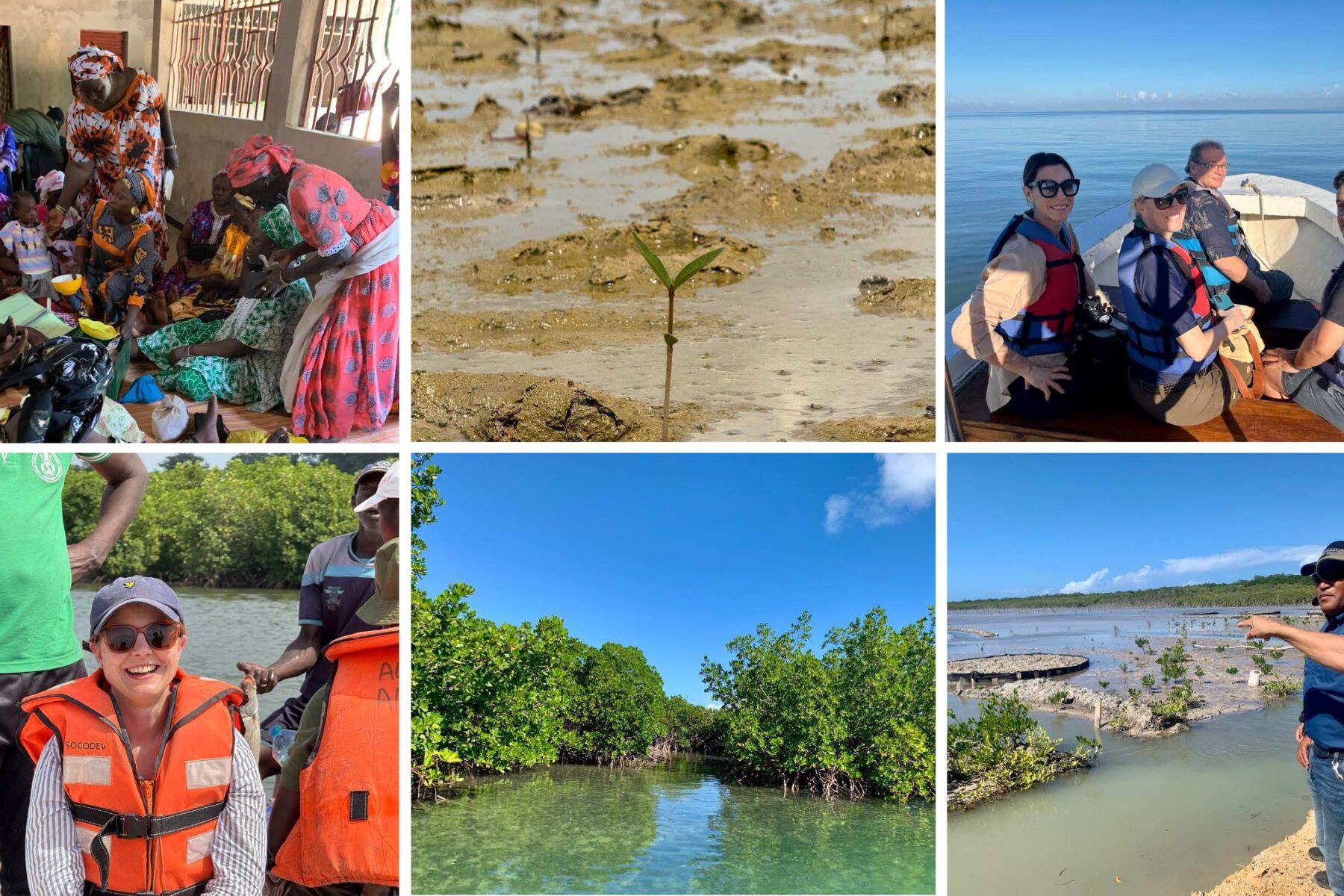
To respond to these challenges, we launched the Coastal Ecosystems initiative. Its purpose is to support projects that strive towards coastal ecosystems rich in biodiversity and thriving coastal communities resilient to the impacts of climate change. This winter, our Project Managers, Jessica and Moa, visited two of the projects to follow the work on site and deepen the dialogue with local partner organisations.
Dominican Republic: Mangroves return when the water does
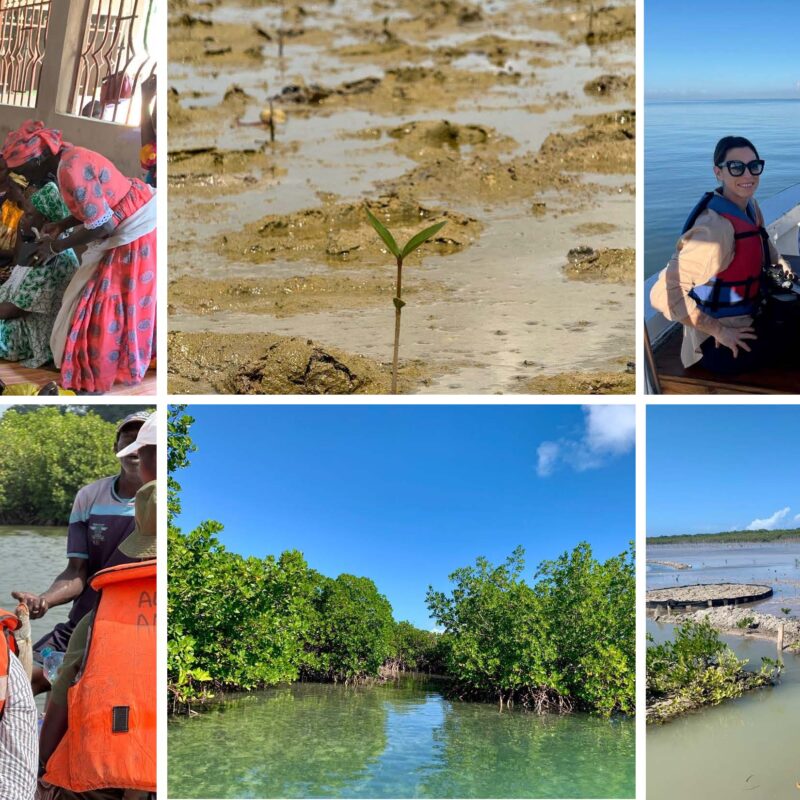
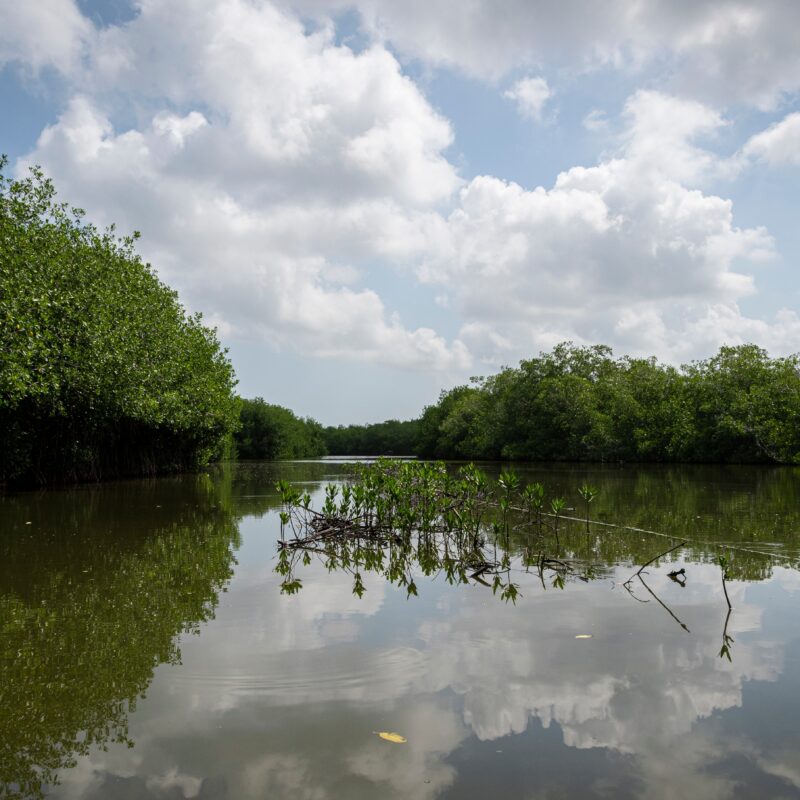
In the Dominican Republic, Jessica visited Stockholm Environment Institute’s (SEI) project, which works with local communities in eight Caribbean countries to restore mangroves and strengthen coastal ecosystems. Through so called living labs, teams test methods tailored to local conditions, where factors such as hydrology and soil composition influence which interventions are most effective.
A key focus area in the Dominican Republic is the restoration of mangrove wetlands that have previously dried out. Mangroves play a crucial role in reducing wave energy and providing protection against storms and erosion. When water flows are restored, nature shows a remarkable ability to recover. New roots take hold, young mangroves begin to grow, and plant and animal life gradually returns.
Jessica also had the opportunity to visit damaged coral reefs and learn how insights from other parts of the project can even be applied to strengthen reefs in the Dominican Republic. This work across the region is helping to develop models that can be scaled up and shared between Caribbean countries.
Senegal: Women’s leadership driving restoration forward
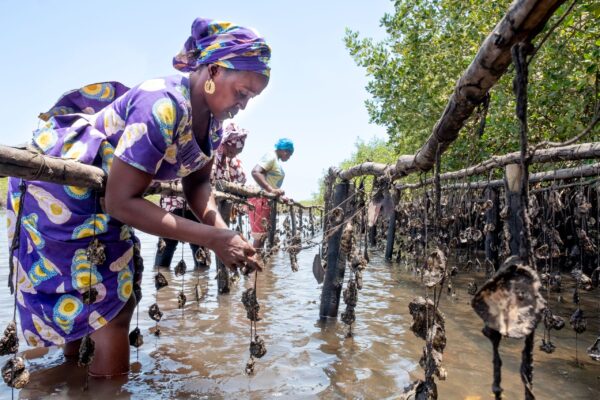
In Senegal, Moa visited Wetlands International, which works with local communities to restore mangroves in areas where they have disappeared or degraded. Mangroves are essential for both people and wildlife, and their loss has affected coastal stability, fish stocks and local livelihoods.
An especially important part of the work are the women who have organised themselves into savings and loan groups within the project. These groups have become a driving force in the restoration efforts and contribution to increased economic security in their communities. During the visit, Moa observed both innovative restoration methods and how local organisations creates long-term sustainability.
The mangrove restoration in Senegal illustrates how ecological restoration, combined with strong community participation can generate dual benefits: nature recovers, and communities are strengthened.
Key learnings
These project visits give us a deeper understanding of how naturebased solutions work in practice. They also underline the importance of community involvement in ensuring that restoration efforts are sustainable over time. Some of the insights Jessica and Moa bring home include:
- Restoration can progress more quickly than expected when the right conditions are in place.
- Local engagement and ownership are essential for longterm results.
- Ecosystem recovery brings both ecological and social benefits.
- Knowledge-sharing between countries and projects strengthens methods and increases impact.
An investment in the future
The Coastal Ecosystems initiative is part of our broader work to strengthen civil society and support sustainable solutions where needs are greatest. By supporting projects in the Caribbean, West Africa and Sweden, we aim to safeguard the biodiversity of coastal ecosystems and their ability to protect communities from the negative effects of climate change.
The work taking place along these coastlines shows that nature can recover when the right conditions are created, and that local actors play an essential role in driving change forward. These encounters and results continue to inspire our work.
Projects
Rooted resilience: Upscaling mangrove conservation in Casamance, Senegal
Mangroves are crucial, both from a climate perspective, and for biodiversity. They store carbon dioxide...
Read more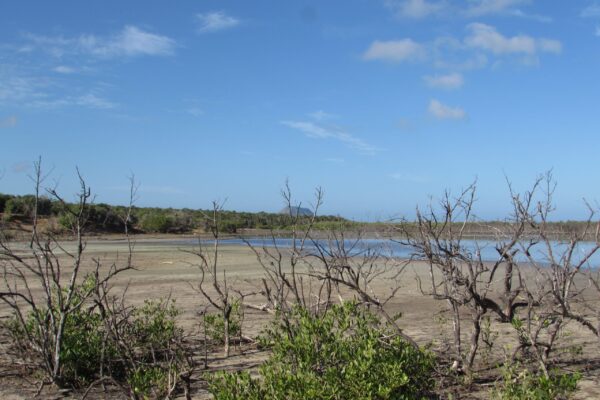
Projects
Resilient Coasts – Caribbean Sea
Caribbean islands and coastal communities are up to seven times more likely to be affected...
Read more