

Raoul Wallenberginstitutet för mänskliga rättigheter och humanitär rätt (RWI)
Advancing Rights and a Just Transition in Colombia
Just and Sustainable Transitions in Colombia supports Indigenous and Afro-Colombian communities to shape renewable energy and environmental policy, promoting participation, rights protection and shared local benefits.
Project information
 The project is funded with
 Location
 Duration of the project
 Time status
 Focus area
 Project links
 Just and Sustainable Transitions in Colombia supports Indigenous and Afro-Colombian communities to shape renewable energy and environmental policy, promoting participation, rights protection and shared local benefits.
Project information
The project is funded with
Location
Duration of the project
Time status
Focus area
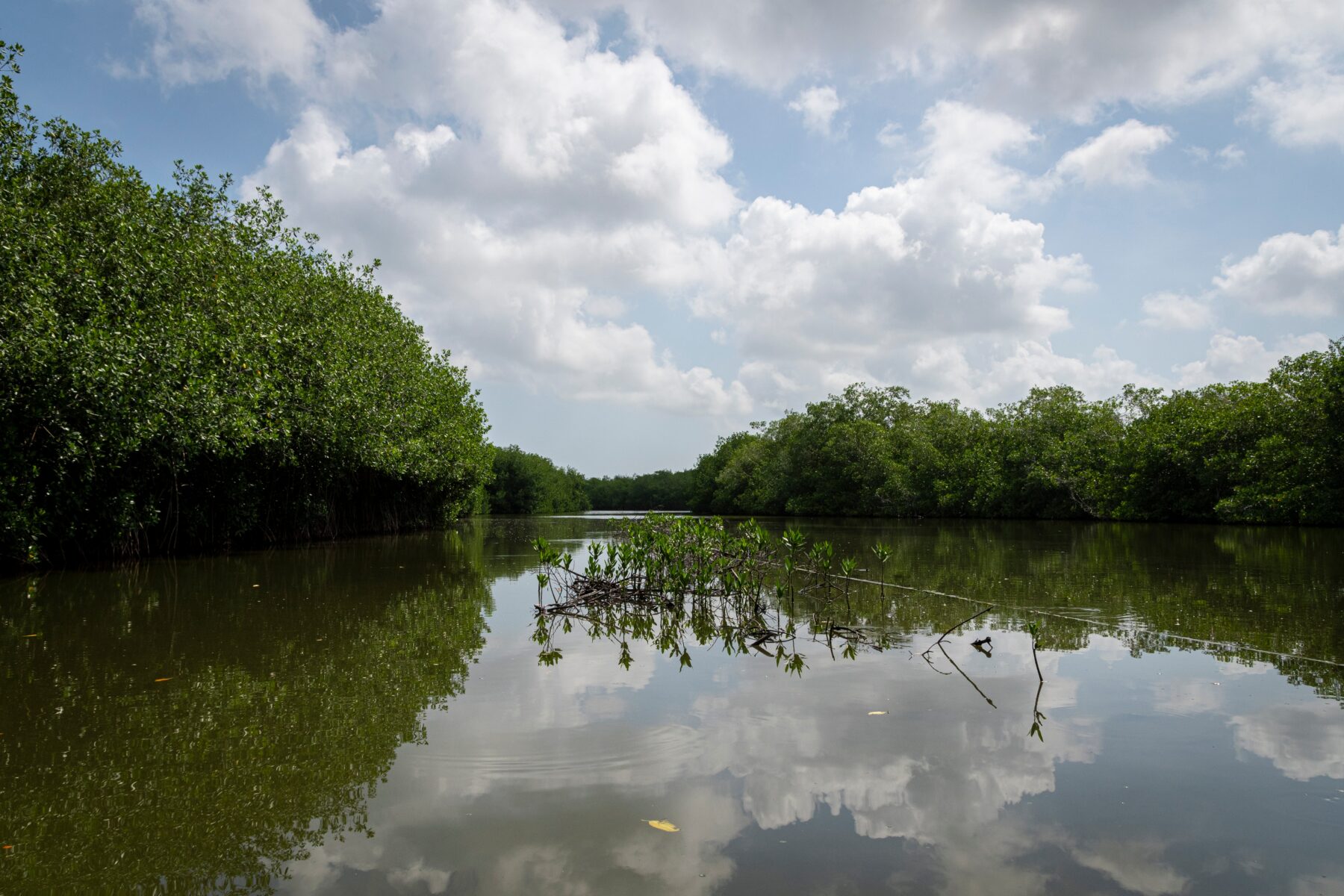
Colombia is undergoing a major green transition. Yet in practice, this shift risks deepening the historic marginalization of Indigenous and Afro-Colombian communities. In La Guajira and Cartagena, rapid decisions on wind power, tourism and infrastructure are often made without ensuring that affected groups have access to information, legal support or genuine opportunities to influence the process. The consequences include land loss, cultural erosion and heightened risks for environmental defenders. Colombia also remains one of the world’s most dangerous countries for human rights defenders, leaving civil society increasingly silenced. Women and young people are particularly affected.
This project is vital because the investments and decisions made today will shape these communities for decades. By strengthening legal knowledge, local participation and protection for groups at risk, we can help ensure that Colombia’s green transition becomes fair, inclusive and sustainable – environmentally and socially.
The Raoul Wallenberg Institute of Human Rights and Humanitarian Law (RWI) aims through this project to ensure that Colombia’s green transition is firmly grounded in human rights, local ownership and the rule of law – with a particular focus on Indigenous and Afro-Colombian communities.
What happens in the project?
The project focuses on two regions in northern Colombia: La Guajira and Cartagena.
- Through legal clinics at local universities, communities receive free legal advice, training in environmental and human rights law, and support for environmental defenders. Students and faculty work together with local actors to strengthen rights awareness and foster meaningful dialogue.
- The project includes workshops, street‑law sessions, applied research and the development of accessible informational materials.
- Municipal officials are trained in rights‑based governance, including FPIC. Through intersectoral dialogues, local “Projects of Change” are created to ensure community priorities are integrated into sustainability efforts.
- The project concludes with a regional conference where experiences are shared with legal clinics across Latin America, and a roadmap for future scale‑up is developed.
Why is the project supported?
The project addresses a global challenge with strong local relevance. By strengthening a rights‑based climate transition in Colombia, we contribute to international knowledge development, stronger legal safeguards and more inclusive community development – offering lessons that can be applied widely.