

Forensis
‘Forensic architecture’ for Turkish Civil Society
In the face of rising state impunity and post-truth politics, traditional civil society tools - documentation, advocacy, journalism - appear to have lost some of their transformative power. This project brings together partners with decades of experience in rights advocacy, investigative research, and creative storytelling, to experiment with new possibilities for research, resilience, and resistance to authoritarianism in Türkiye, seeking to find lessons there for civil society in Türkiye, Europe, and the world.

Project information
 The project is funded with
 Location
 Duration of the project
 Time status
 Focus area
In the face of rising state impunity and post-truth politics, traditional civil society tools - documentation, advocacy, journalism - appear to have lost some of their transformative power. This project brings together partners with decades of experience in rights advocacy, investigative research, and creative storytelling, to experiment with new possibilities for research, resilience, and resistance to authoritarianism in Türkiye, seeking to find lessons there for civil society in Türkiye, Europe, and the world.
Project information
The project is funded with
Location
Duration of the project
Time status
Focus area
Over the past decade, Türkiye has become increasingly authoritarian, with weakened democratic institutions and growing repression against civil society. In 2025, this development escalated with the arrest of Istanbul’s mayor Ekrem İmamoğlu, triggering mass protests and police violence. Repression is now systematic and directed at political movements, civil society, academics, and journalists. The arrest of Swedish journalist Joakim Medin further illustrates this negative trend. At the same time, the struggle for human rights has shifted into a struggle over facts, where traditional tools such as documentation and journalism have lost some of their power.
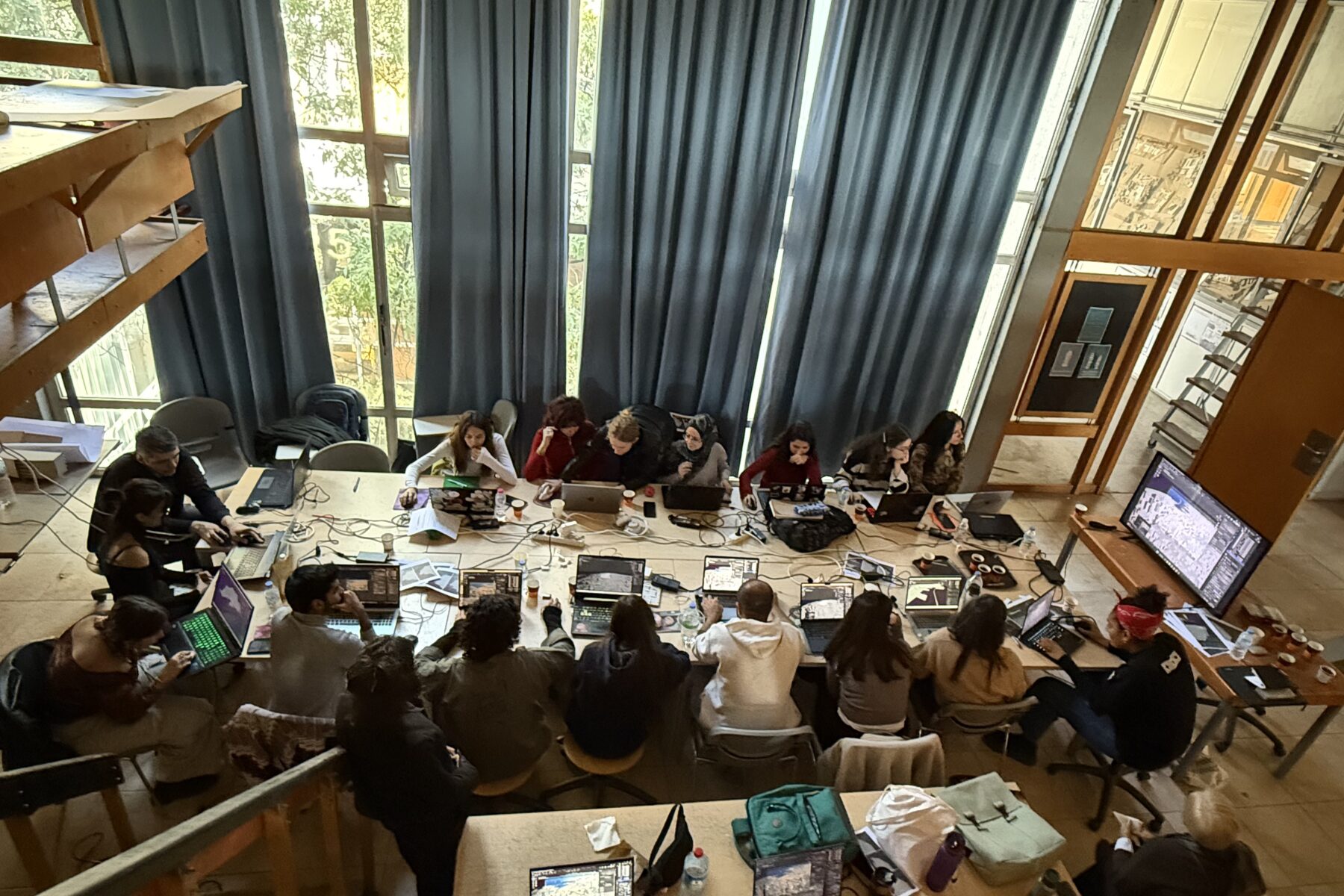
Türkiye’s trajectory is viewed as a test case for modern authoritarian governance, highlighting the need for new methods and infrastructures for truth-seeking, accountability, and resistance within civil society. Forensic architecture is one such method: by using maps, images, and 3D models, it enables researchers to reconstruct events at specific locations and expose violence or human rights violations.
In this project, Forensis seeks to strengthen civil society’s ability to use new methods in forensic architecture to counter authoritarianism and impunity in Türkiye.
What happens in the project?
The project is built on mutual learning between Forensis and the Turkish organisation Antenna. By combining Forensis’ technical expertise with Antenna’s local knowledge, the project aims to strengthen civil society’s capacity to document and make visible state and corporate violence. The project consists of three main components:
- Research
- Training and capacity building
- Networking and collaboration
Why was the project funded?
By equipping human rights defenders, lawyers, researchers, and activists with improved tools to challenge authoritarianism and impunity, the project helps strengthen democratic values and create opportunities to hold perpetrators accountable.