

Story
Empowering Youth and Fostering Inclusion: GAME Lebanon’s Journey
 Share
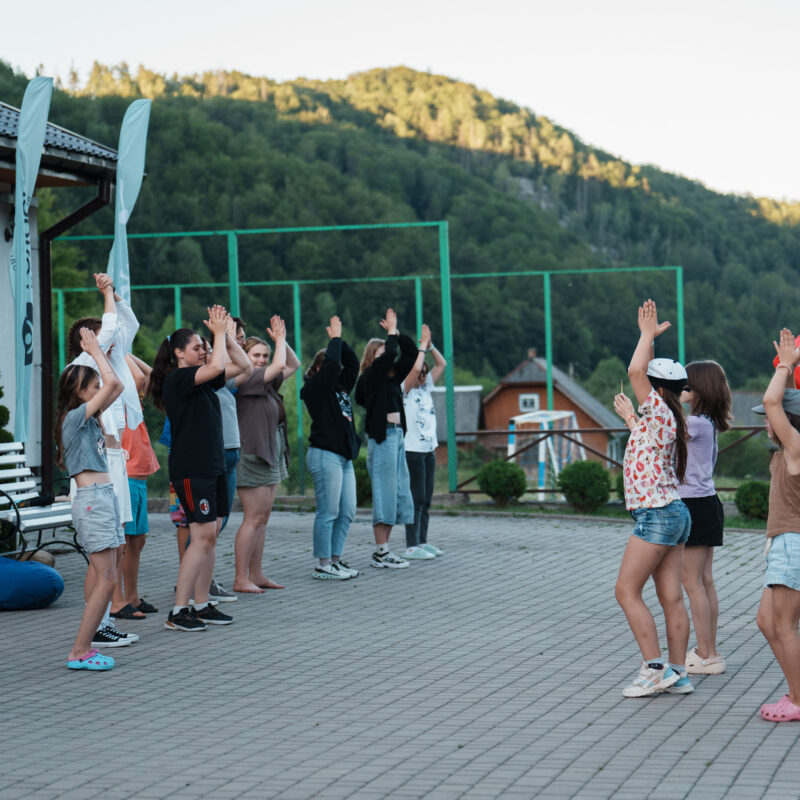
Share In Lebanon, young people from different backgrounds meet in a society affected by conflict and refugee crises. Through the project Youth Empowerment through Youth-Led Street Sports, GAME Lebanon has created safe public spaces where sports serve as a tool for inclusion and social change. During the project, 145 youth leaders were trained, 25 public spaces were activated, and more than 1,200 children and young people participated in activities that build bridges between local and refugee communities.
We spoke with Ibrahim Hourani, Lebanon Country Director, about the experiences, challenges, and what it takes to foster trust in a society in crisis.
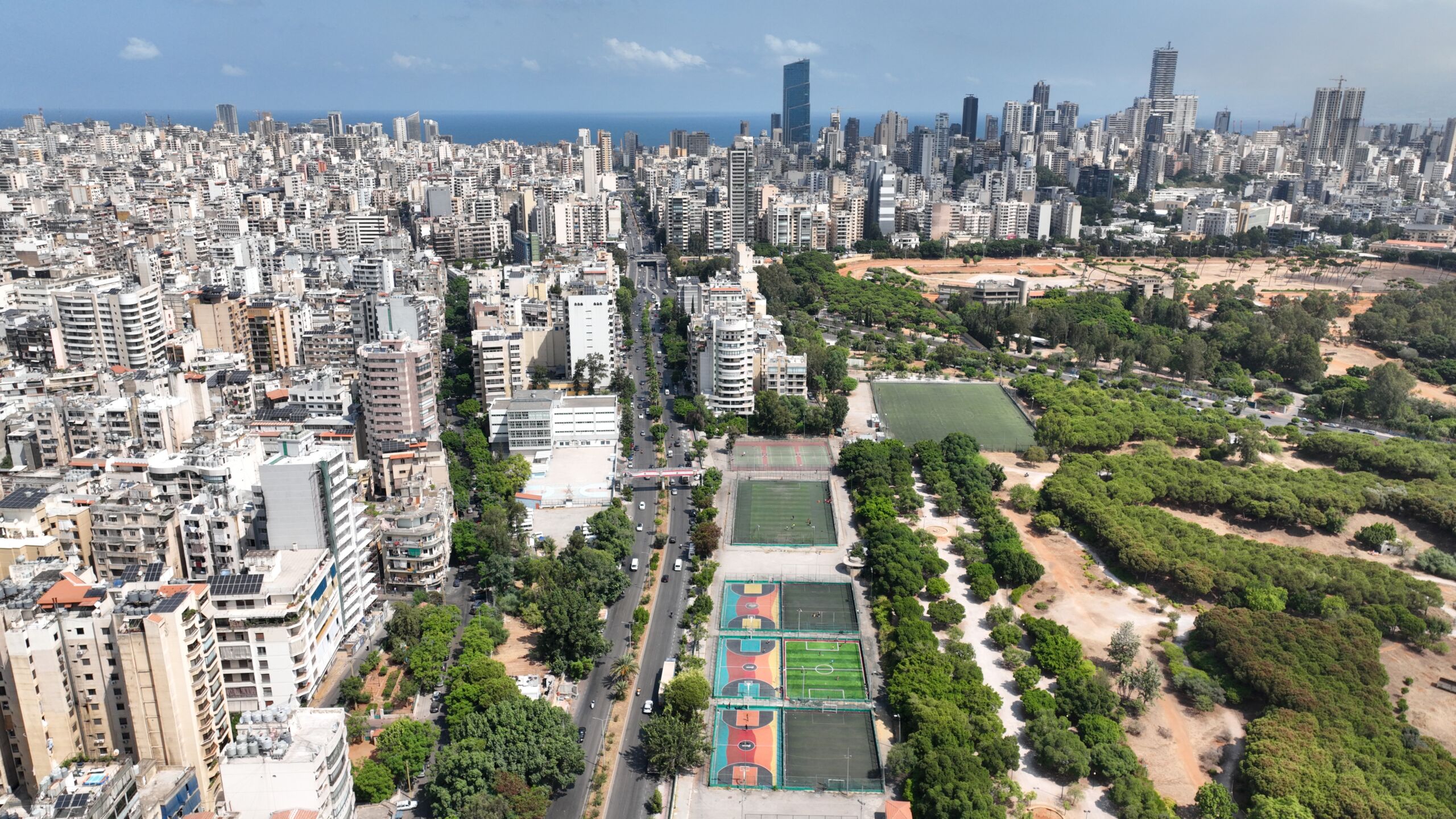
Hi Ibrahim, you have been receiving support from The Swedish Postcode Lottery Foundation to empower youth and build bridges between local and refugee communities in Lebanon. Can you please tell us more about why Game Lebanon chose to engage in this initiative?
Lebanon faces significant social challenges, including tensions between host and refugee communities. GAME Lebanon believes that sports can be a powerful tool for social change. Through this initiative, we aimed to empower youth as leaders, activate safe public spaces, and foster inclusion and trust. By training young people in civic engagement and sport-for-development, we created opportunities for them to lead activities that bring communities together.
The project has just ended. Can you please give us a brief description of the project and what you were able to accomplish during this time?
The project ran from January to August 2025 and exceeded its targets. We trained 145 youth ambassadors and Playmakers (Volunteers), activated 25 Public spaces, and organized 63 Street Sports Activities, reaching 1,275 children and youth. We also developed an integrated curriculum combining Playmaker Education Method in S4D and Civic Engagement. These efforts created safe, inclusive spaces and strengthened youth leadership across Lebanon.
What role do you think initiatives like yours can play in rebuilding trust and reducing tensions between refugee and host communities?
Initiatives like ours create neutral spaces where youth from different backgrounds interact through sports and cultural activities. This fosters friendships, teamwork, and mutual respect. Our surveys showed that 78% of participants made new friends from different backgrounds, and 86% reported increased participation in their communities, which reflects improved social cohesion and reduced tensions.
Lebanon, throughout the years, has been challenged with many conflicts and political instability. 2024 was not an exception. What has it been like to work on this project during the war? What challenges did you face, and how did you and your team adapt to keep the work going?
The 2024 war disrupted activities, especially in southern Zones, and many Syrian families left Lebanon, making it harder to meet non-Lebanese participation targets. We paused activities for safety, then adapted by relocating sessions to safer areas, securing a two-month extension, and organizing an additional Playmaker Camp to re-engage youth. Continuous mentorship and psychosocial support helped youth leaders stay motivated and resilient.
Can you share an example of a sports, cultural, or social activity that helped bring together youth from different backgrounds during or after the conflict? What impact did it have?
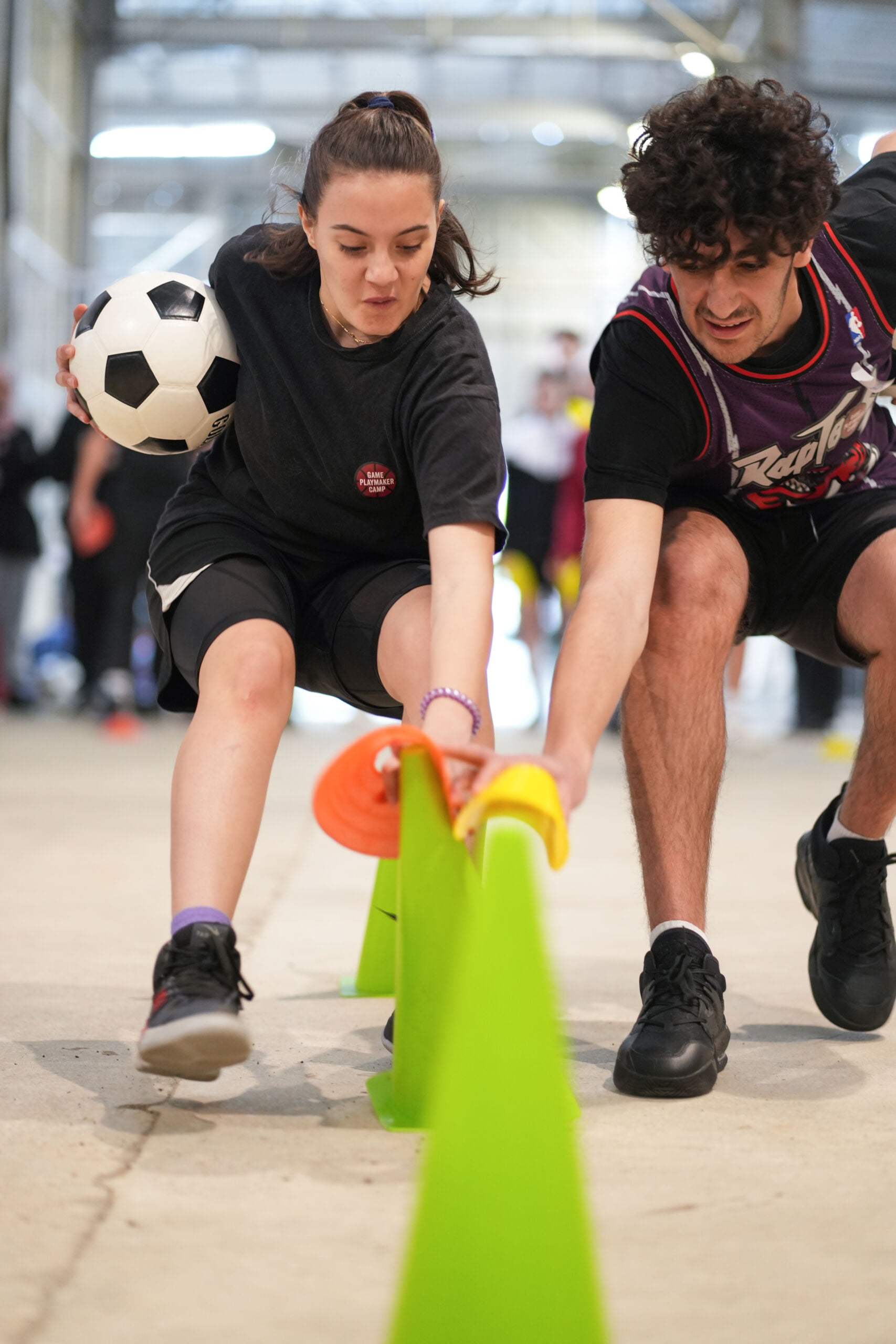
One great example is the basketball sessions in Qasqas Zone. After refurbishing the court, youth ambassadors organized open-play days where Lebanese and Syrian children played together. These sessions not only promoted physical activity but also built friendships and trust. Participants reported feeling safer and more included in their communities.
What has been the major findings during this process? Do you have any final thoughts for organizations working in conflict?
We learned that comprehensive training, flexibility, and mentorship are critical for empowering youth and sustaining impact. Sports combined with civic engagement proved highly effective in promoting social inclusion. For organizations working in conflict, my advice is: invest in youth leadership, design adaptable projects, and create safe spaces for interaction. These elements can drive long-term positive change even in unstable contexts.
Projects
Youth Empowerment through Youth Led Street Sports
Over the past five years, Lebanon has faced deep instability and uncertainty — shaped by...
Read more