

Sustainable Organic Integrated Livelihoods (SOIL)
Scaling Container-Based Sanitation Through Innovative Financing
Sustainable Organic Integrated Livelihoods (SOIL) is a sanitation service provider innovating sustainable, ecological sanitation solutions in urban Haiti. By providing safe, dignified toilets and transforming waste into nutrient-rich compost, SOIL improves public health, restores depleted soils, and strengthens local livelihoods—building a replicable model for urban sanitation worldwide.
Project information
 The project is funded with
 Location
 Duration of the project
 Time status
 Focus area
 Project links
 Sustainable Organic Integrated Livelihoods (SOIL) is a sanitation service provider innovating sustainable, ecological sanitation solutions in urban Haiti. By providing safe, dignified toilets and transforming waste into nutrient-rich compost, SOIL improves public health, restores depleted soils, and strengthens local livelihoods—building a replicable model for urban sanitation worldwide.
Project information
The project is funded with
Location
Duration of the project
Time status
Focus area
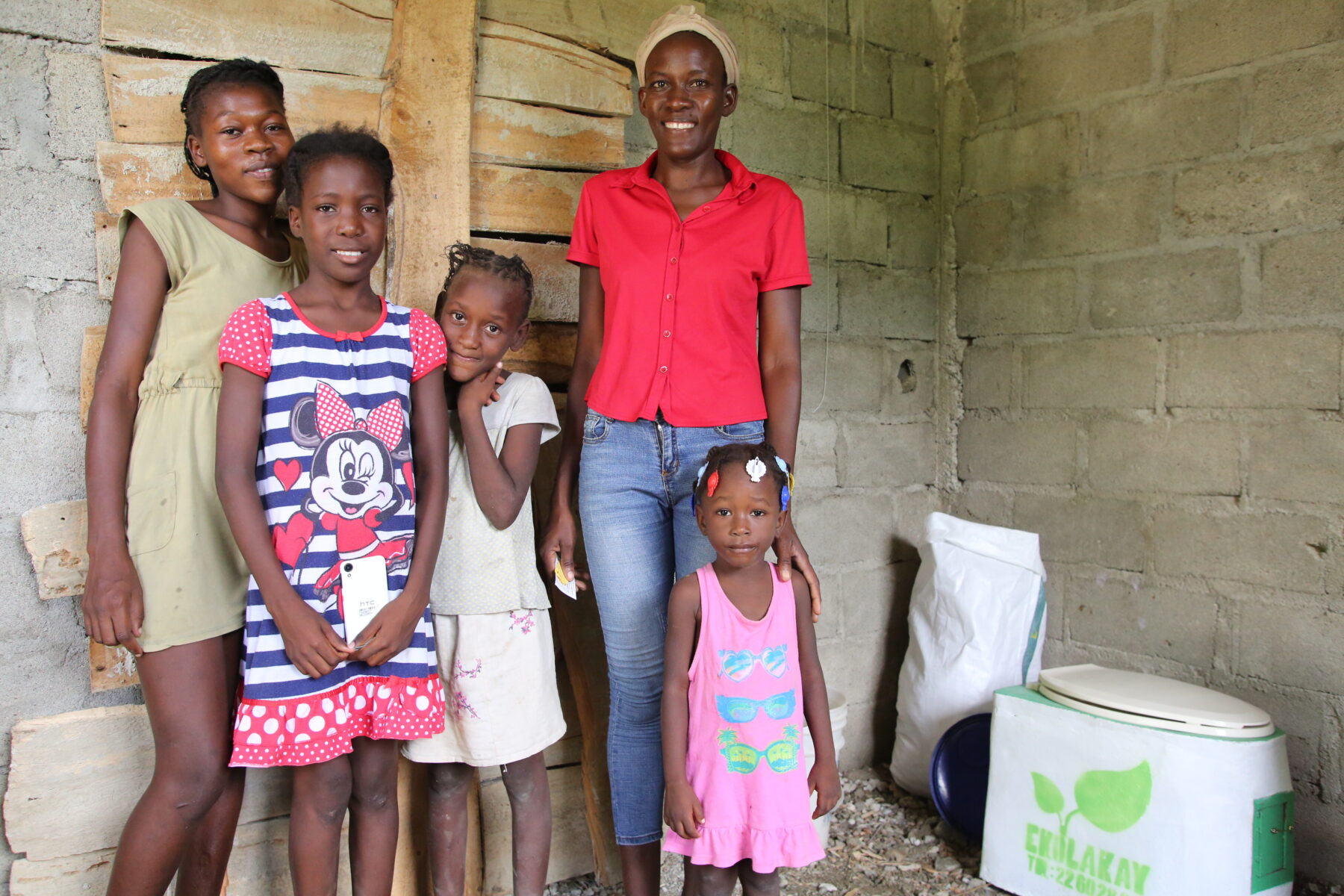
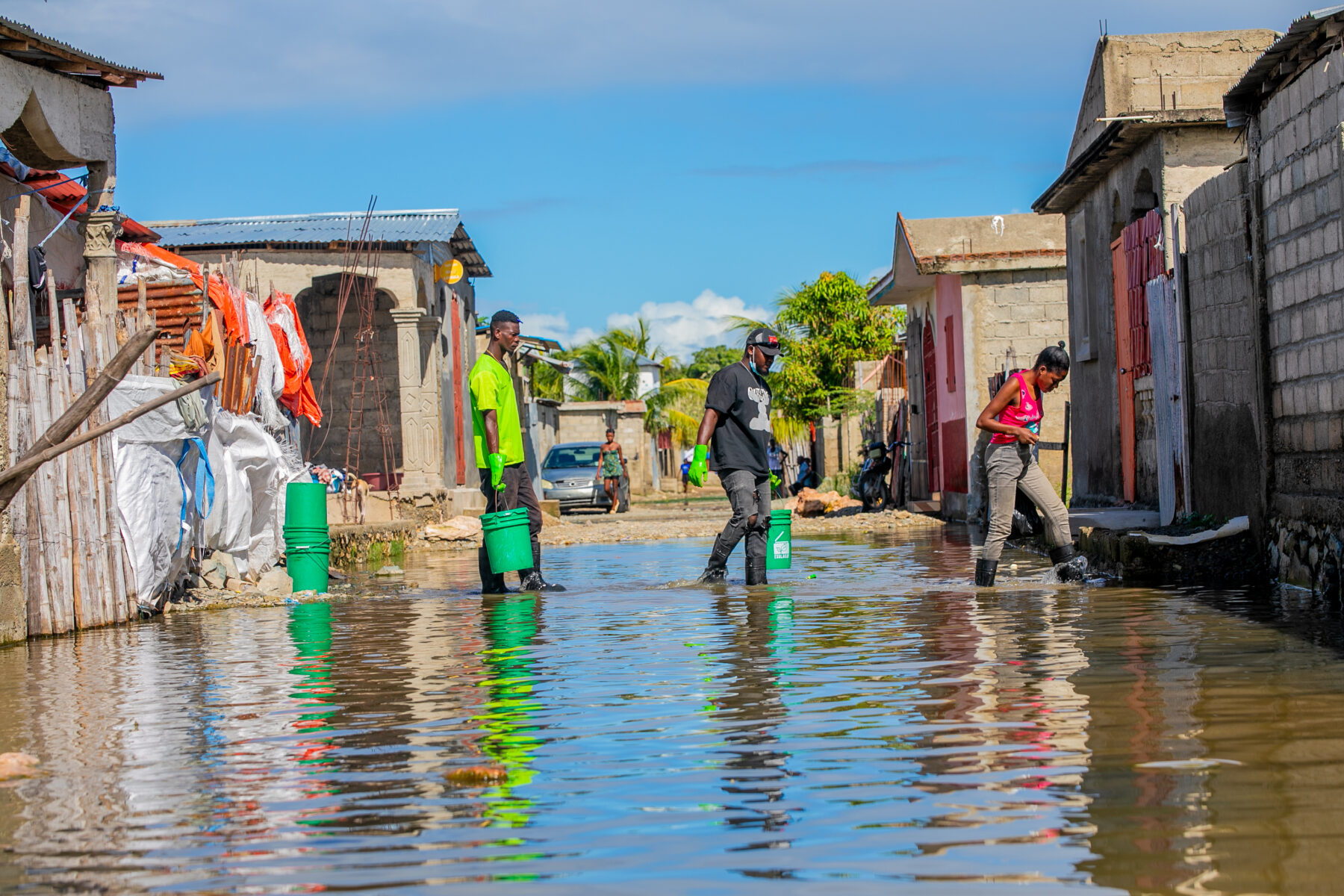
Over 2.5 billion people still lack access to a safe toilet, and waste management remains inadequate in many parts of the world. In Haiti, 66% of the urban population has no access to safe sanitation, and less than 1% of human waste is treated safely. This has contributed to Haiti having the highest incidence of childhood diarrhea and one of the worst cholera outbreaks in modern history. Access to safe, affordable, and sustainable sanitation solutions is extremely limited in the most vulnerable urban areas. There is an urgent need to identify innovative solutions, financing mechanisms, and services to meet people’s basic sanitation needs – especially in rapidly growing cities. Solutions must also ensure that human waste is safely collected and treated.
Sustainable Organic Integrated Livelihoods (SOIL) aims to use this project to scale sustainable sanitation solutions in Haiti’s urban areas and share lessons that can drive systemic change both locally and globally.
What happens in the project?
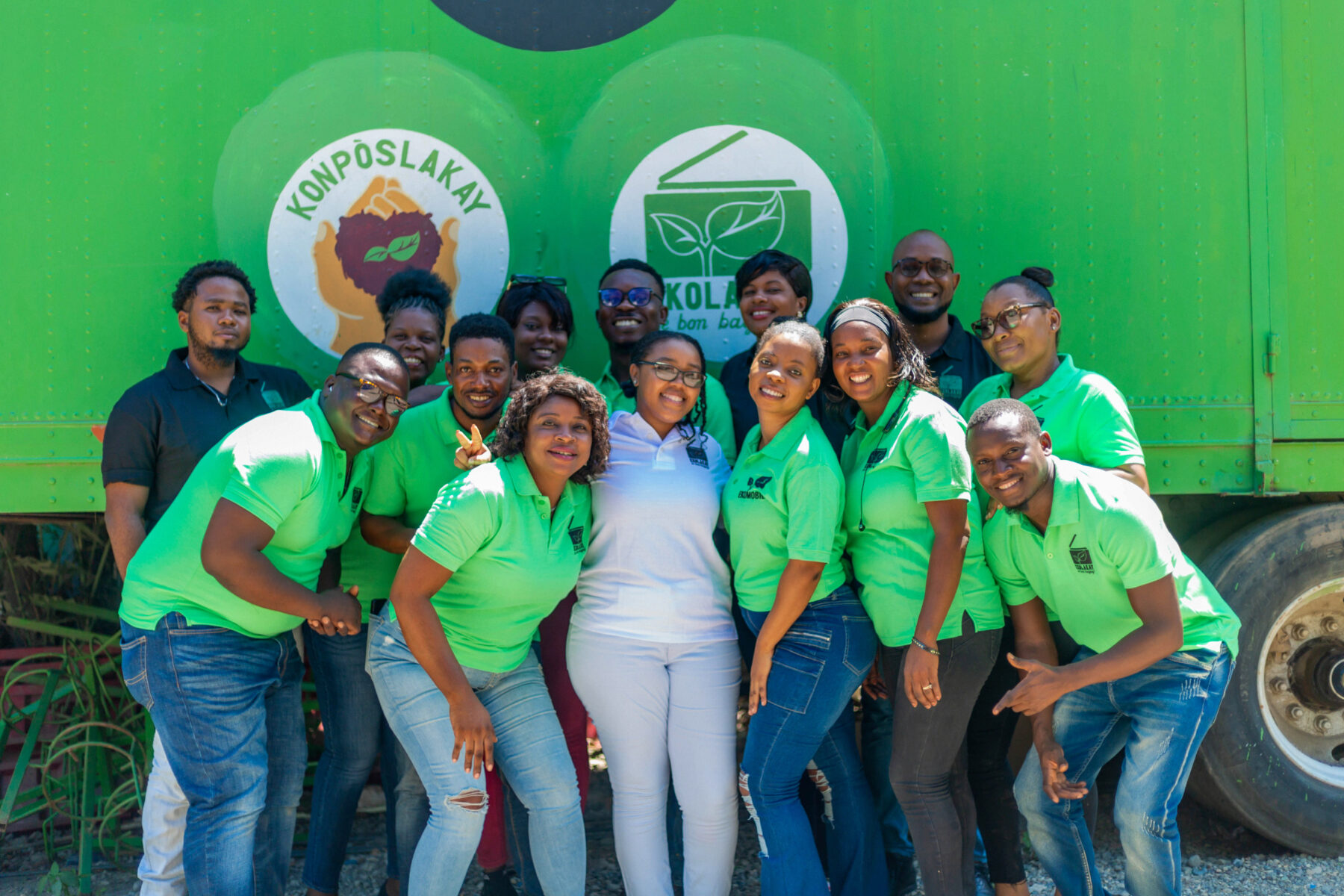
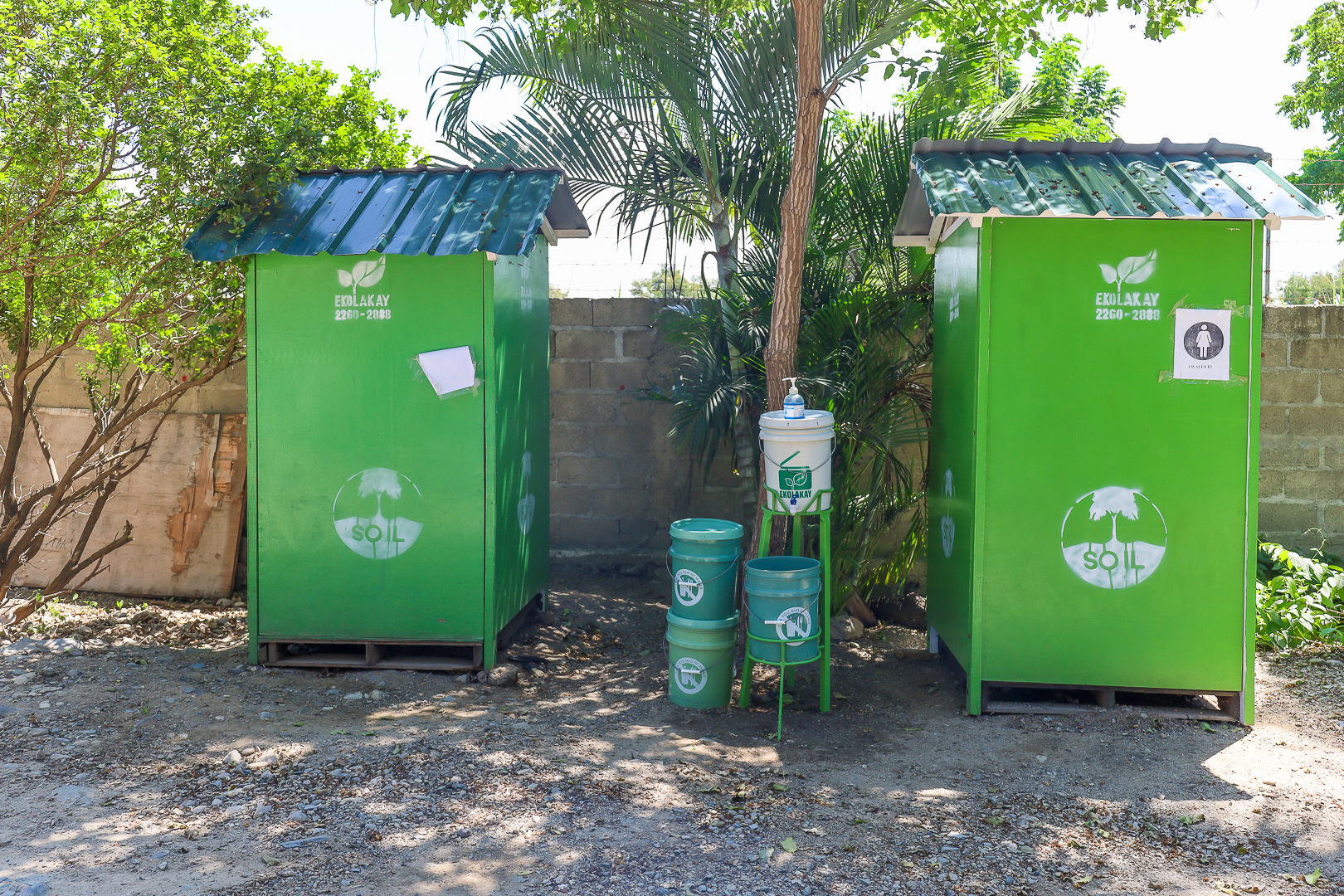
SOIL was the first organization to pioneer container-based sanitation in densely populated areas without sewer systems. The organization provides a complete circular solution—from toilet production and waste collection to composting and transforming waste into nutrient-rich fertilizer that is returned to farmland to improve soil quality. In northern Haiti, SOIL is currently the only actor providing safe sanitation and operating the region’s only functioning waste treatment facility. The project focuses on three key areas:
- Developing a subsidy model for the most vulnerable households in collaboration with local authorities
- Improving and expanding the waste treatment facility to enable scaling
- Conducting research to drive systemic change
Why is the project supported?
Basic sanitation saves lives and reduces vulnerability. Ensuring access to toilets and sanitation for all is one of the global goals furthest from being achieved. It is therefore crucial to implement solutions that are sustainable for both people and the environment and based on a model that can be replicated in other countries.
Story
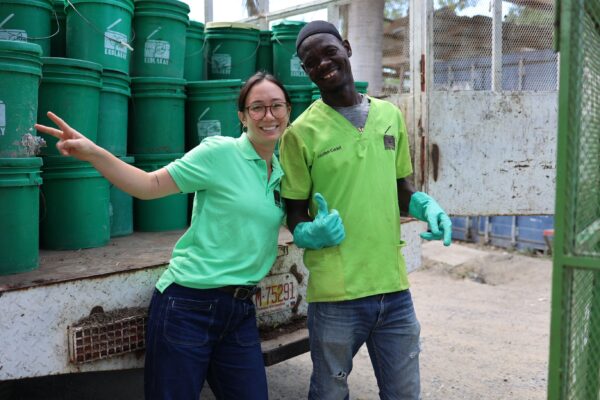
Sanitation that Inspires Hope: How SOIL Is Reaching More Families in Northern Haiti
SOIL is working to ensure that more families in Haiti gain access to safe and...
Read more